

LoveFowey
Copyright © 2026 LoveFowey
Designed & Development by WM Designs Co.
A rare summer eclipse will skim across Fowey’s evening sky on 12 August 2026, but where should you watch it, and how much of the Sun will Cornwall actually see?

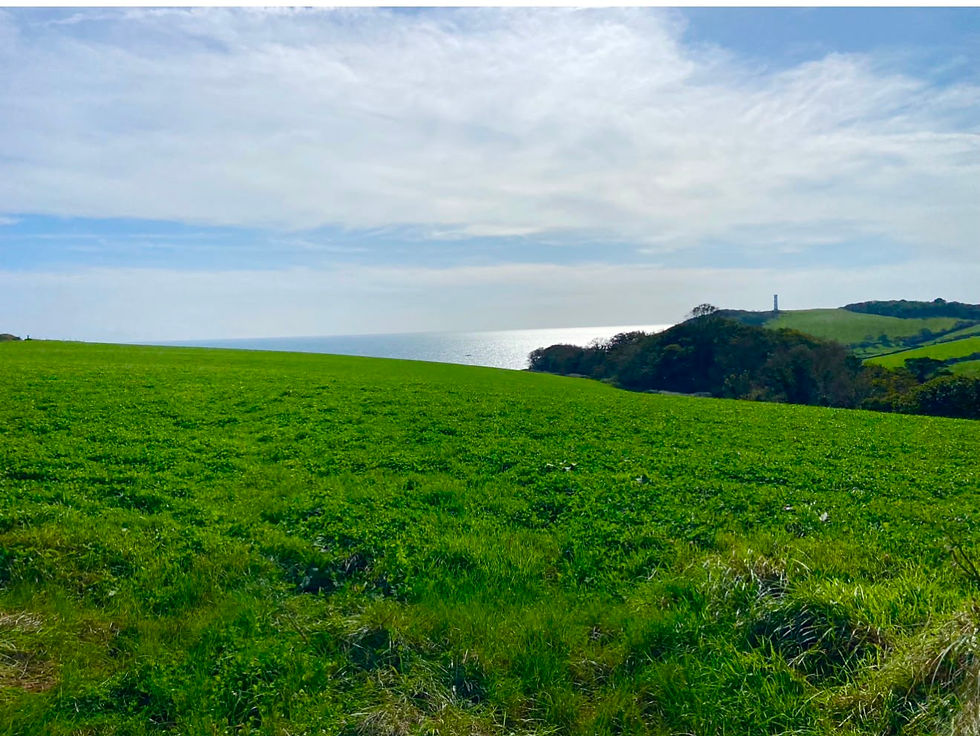
Late sun on the water, boats shifting in the tide, supper tables filling after the beach: Fowey already knows how to make a summer evening feel special. On Wednesday 12 August 2026, the sky adds its own rare spectacle, as Cornwall sees one of the deepest partial solar eclipses visible from the UK. Around 95% of the Sun is expected to be obscured in the Fowey area. It will not be total. Eclipse chasers will head to places including Iceland and northern Spain for that, but it should still bring its own kind of drama: a darker crescent, sharper shadows and a familiar harbour briefly caught under unfamiliar light.
This is a question of timing and horizon. By the time the eclipse begins, the Sun will already be dropping towards the west-north-west. In Cornwall, it is expected to start at about 6.18pm, peak around 7.15pm and finish shortly after 8.09pm, so the best views will come from somewhere with a clear, open line towards the evening sky. Choose your spot for the sightline first, then the scenery. To see an approximate preview of the 2026 solar eclipse from Fowey, use the Timeanddate.com animation here. It is a useful way to picture how much of the Sun will be covered and how low it will sit in the evening sky.
For the best chance of seeing the eclipse through to the end, think height, space and a western aspect. The harbour will be a beautiful place to be, but buildings, trees and the curves of the estuary may interrupt the low Sun, so a higher, more open outlook is the safer bet. The walk towards Readymoney Cove, St Catherine’s Point and St Catherine’s Castle is a good place to start if you want the evening to feel properly coastal. As the estuary opens, the sea takes over, and the view begins to widen.
Gribbin Head offers a greater sense of scale, with the red-and-white daymark and wide views across St Austell Bay, although it’s better treated as a hearty hike than a quick detour. Paths can be uneven, the coast can change quickly, and the return will be close to dusk, so wear sensible shoes and take a layer. Avoid unsafe edges; no photograph is worth a slip.

The eclipse gives you the reason to come, but Fowey is the reason to stay a little longer. Make a proper day of it: wander the independent shops in the afternoon, follow the route down to the quay, stop for a drink, book dinner if you fancy it, or simply have a mooch through town before or after you find your viewing spot.
However you watch it, protect your eyes. NASA’s eclipse safety guidance says a partial solar eclipse is never safe to view with the naked eye; even when most of the Sun is covered, the remaining crescent can cause serious and permanent damage. Use eclipse glasses or a handheld solar viewer marked ISO 12312-2, and skip ordinary sunglasses, smoked glass, camera filters or homemade fixes because they are not enough. Binoculars, telescopes and cameras need a specialist solar filter fitted to the front, never at the eyepiece. You can get eclipse glasses from Amazon*. Pack water, a blanket, something warm and a little patience, then let the evening unfold. The best part may only last a few minutes, but it is the sort of few minutes people remember.
*Affiliate note: if you buy through the Amazon link, I may earn a small commission at no extra cost to you.
So, could Fowey be one of Cornwall’s best places to watch the 2026 solar eclipse? I think so, although I would probably say Fowey is one of the best places to watch almost anything. On 12 August, it has all the right ingredients: a rare sky event, a low summer sun, water to catch the light and a town that welcomes visitors to stay a little longer.
Sources:
Timeanddate.com is used for the 2026 solar eclipse timings, local magnitude and animation preview for Fowey on 12 August 2026. https://www.timeanddate.com/eclipse/in/@2652355?iso=20260812
NASA’s eclipse safety page is used for guidance on viewing a partial solar eclipse safely. NASA eye-safety source: https://science.nasa.gov/eclipses/safety/